The Hidden Cost of Insulation Damage from Rats in Your Attic
@insulationdamagefromrats
October 19, 2026 · 7 min read
If you have ever lain in bed listening to scratching overhead, you already know the feeling. Something is up there, and it is not a ghost. Mice, squirrels, and sometimes larger rodents find their way into attics through gaps you would never notice from the ground. What starts as a noise problem quickly becomes a structural and health problem, and one of the most expensive parts of that problem is the insulation damage from rats.
Attic insulation does more than keep your heating and cooling bills manageable. It protects the entire building envelope. When rodents invade, they do not just trample a few fiberglass batts. They burrow, urinate, defecate, drag in nesting material, and chew through everything that gets in their way. Over time that quiet scratching overhead can turn into thousands of dollars in repairs, and most homeowner policies do not cover it.
How Rodents Get Into the Attic
Rodents are persistent climbers. Squirrels can leap from overhanging branches to your roofline. Mice can squeeze through a hole the size of a dime. The most common entry points are soffit vents, ridge vents, and gable vents. These are designed to let air circulate, but if they are not properly screened or if the existing screens have rusted or been chewed through, they become open doors.
Once inside, rodents follow the path of least resistance. They travel along rafters, across the tops of joists, and directly through insulation. They are not malicious. They are just looking for a warm, dry place to nest. But their presence sets off a chain of damage that compounds over time.
What Insulation Damage from Rats Really Means
When I say insulation damage from rats, I am not just talking about a few torn batts. Rodents compress and displace loose-fill insulation like blown-in cellulose. They tunnel through fiberglass batts, creating air gaps that defeat the purpose of the insulation. They also bring moisture and contaminants into the insulation layer, which reduces its R-value and promotes mold growth.
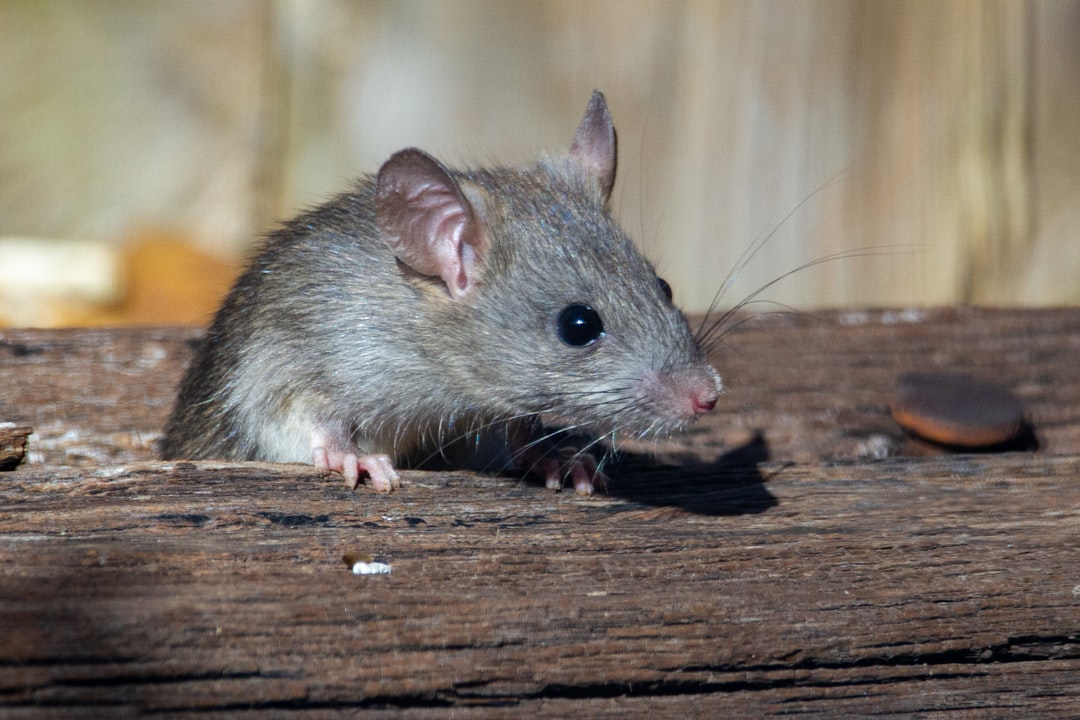
Urine contamination is one of the worst aspects. Rodent urine is high in ammonia, and as it soaks into cellulose or fiberglass, it breaks down the material and creates a lasting odor. You cannot simply vacuum that out. In many cases the affected insulation has to be removed and replaced, and if the contamination is widespread, that means a full attic remediation.
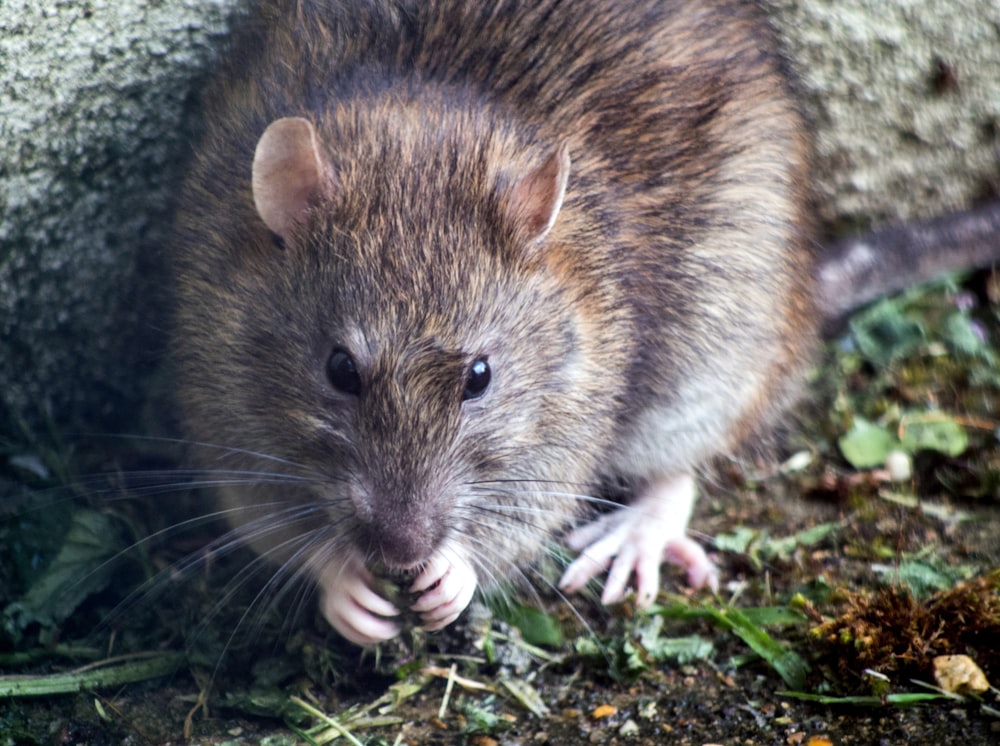
Droppings and nesting material add another layer of mess. Rodents gather leaves, paper, fabric, and whatever else they can find and pack it into their nests. This material can block soffit vents and ridge vents, reducing ventilation and trapping moisture in the attic. Moisture then accelerates the deterioration of the insulation and can lead to wood rot in the roof deck.
Beyond Insulation: Chewed Wires and Structural Damage
Insulation damage from rats rarely happens in isolation. While they are tunneling through the attic, rodents also chew on wiring. Chewed wires are a serious fire hazard. I have seen attics where the wiring for ceiling lights, bathroom fans, and HVAC equipment was stripped bare. The cost of an electrician to trace and replace that wiring adds up fast.
They also gnaw on wood, PVC pipes, and even metal vents if they are trying to enlarge an opening. This kind of damage is not always visible from the attic floor. You might not know about a chewed plumbing vent pipe until you smell sewer gas in the house. The point is that rodents do not limit themselves to one material. They damage everything they touch.
Why DIY Fixes Often Fall Short
Many homeowners try to solve the problem themselves. They buy a few traps, set them in the attic, and hope that is the end of it. But trapping alone does not stop new animals from entering. The real solution is rodent exclusion: sealing every possible entry point so that no animal can get in, regardless of whether the ones already inside have been removed.
Entry point sealing requires a thorough inspection of the entire roofline, not just the obvious gaps. Professionals look at soffit vents, ridge vents, gable vents, chimney flashings, plumbing boots, and the intersections where roofing materials meet walls. They use materials like steel wool and foam sealant to close gaps that rodents would otherwise chew through. Steel wool is effective because rodents cannot gnaw through it, and foam sealant holds it in place and insulates around it.
Structural repair is often needed before exclusion can happen. If a soffit vent has been chewed open or a gable vent screen has rusted out, those need to be replaced or repaired first. Then the sealing material is applied. This kind of work is not difficult for a trained technician, but it is time-consuming and requires access to the entire exterior of the home.
The Role of Professional Pest Control
Companies like Hiwassee Pest Control in Cleveland, TN, focus on exactly this kind of integrated approach. They do not just set traps and leave. They identify entry points, perform structural repairs, and implement pest-proofing measures that keep rodents out long term. Their process includes trapping the animals already inside, then sealing the building so that no new animals can enter.
This is important because rodent populations can rebound quickly. A single pair of mice can produce dozens of offspring in a year. If you only trap a few without sealing the house, new animals will keep coming in through the same holes. You end up in a never-ending cycle of trapping and cleanup.
Professional pest-proofing also addresses the attic insulation. After the animals are removed and the entry points are sealed, the insulation can be inspected. If it is contaminated or damaged, it needs to be removed and replaced. This is the only way to restore the thermal performance of the attic and eliminate odors that might attract new animals.
Preventing Future Infestations
Once your attic is rodent-free and the insulation is clean, you want to keep it that way. Routine maintenance helps. Trim tree branches that overhang the roof. Keep firewood and debris away from the foundation. Inspect soffit vents and ridge vents annually for damage. If you see signs of gnawing or droppings, call a professional right away. Early intervention is much cheaper than dealing with a full-blown infestation.
Another step is to replace damaged insulation with materials that are less hospitable to rodents. While no insulation is truly rodent-proof, some types are less attractive for nesting. Fiberglass batts, when properly installed and sealed, offer fewer hiding spots than loose cellulose. But the real key is exclusion. If rodents cannot get in, the insulation stays intact.
What to Look For
If you suspect rodents in your attic, here are the signs to watch for:
- Scratching or scurrying sounds, especially at night
- Droppings in the attic or near vents
- Gnaw marks on wood, wires, or plastic
- Nesting material made from shredded paper, fabric, or insulation
- Urine stains or a strong ammonia smell
If you see any of these, act quickly. The longer rodents stay, the more damage they cause. And that damage is not limited to the insulation. It affects the safety, efficiency, and value of your home.
The Bottom Line
Rodent infestations are more than a nuisance. They are a threat to your home's structure and your family's health. The insulation damage from rats is often the most expensive part of the cleanup, but it is also the most preventable. With proper rodent exclusion, entry point sealing, and structural repair, you can keep your attic dry, warm, and free of pests.
If you live in Cleveland, TN or the surrounding area, Hiwassee Pest Control offers the kind of thorough service that gets the job done right. They understand local rodent behavior and know exactly where to look for entry points. Their approach combines trapping, exclusion, and repair to break the cycle of reinfestation. It is the kind of work that saves you money in the long run by preventing damage before it happens.